
Lag Putting: The Art of the Long Putt
Lag Putting: The Art of the Long Putt

Lag Putting: The Art of the Long Putt
Lag putting, the often-overlooked skill of long-distance putting, can significantly impact your scores on the golf course.
While sinking a 30-footer is always exhilarating, the primary goal of lag putting is to position yourself for an easy second putt and avoid the dreaded three-putt.
Understanding Lag Putting
Lag putts are typically long putts where the golfer doesn't necessarily expect to make the putt but aims to get the ball close to the hole. The focus is on speed and distance control, leaving a manageable second putt within a comfortable range.
Why Lag Putting is Important
Three-putts can quickly inflate your score and damage your confidence. Mastering lag putting significantly reduces the likelihood of three-putts, saving you crucial strokes and keeping your momentum on the course.
The 10 Percent Rule
A simple rule of thumb for lag putting is the "10 percent rule." Aim to leave your first putt within 10% of the original distance to the hole. For example, on a 30-foot putt, strive to leave it within three feet. This approach takes the pressure off holing long putts and focuses on manageable second putts.
Tips for Effective Lag Putting
- Speed Control: The most critical aspect of lag putting is speed control. Practice gauging the speed required to get the ball close to the hole without leaving it short or running it past the hole by a significant distance.
- Read the Green: Analyze the slope, grain, and any undulations on the green to determine the path and speed of your putt.
- Smooth Stroke: Maintain a smooth and consistent putting stroke, focusing on a pendulum-like motion. Avoid any jerky movements that can affect distance control.
- Practice Makes Perfect: Dedicate time to practicing lag putts on the practice green. Work on different distances and slopes to develop a feel for speed control.
- Visualize Success: Before each lag putt, visualize the ball rolling smoothly towards the hole and stopping in your desired spot. Positive visualization can enhance your confidence and execution.
- The "Bucket" Drill: Imagine a bucket around the hole and aim to get your ball inside that imaginary bucket. This drill helps you focus on distance control rather than trying to make the putt.
Conclusion
Lag putting may not be as glamorous as holing long putts, but it's a crucial skill for lowering your scores. By focusing on speed control, reading the green, and practicing regularly, you can become a proficient lag putter and avoid those frustrating three-putts. Remember, lag putting is not about making the putt, but about leaving yourself with an easy second putt to tap in for par or bogey.
This is Golf as You've Always Imagined!
Daniel is a Top 100 golf Coach, PXG Staff Pro and the Head of Golf Instruction at IMAGEN Golf the area's leading golf instruction and advisory firm, host of the IMAGINE Golf Differently podcast and Best-Selling Author of "Unleash The Golfer Within".
For more information visit www.ImagenGolf.com or call 215-595-6299 Reach out to Daniel directly at:Daniel@ImagenGolf.com
For free golf tips and more listen to The IMAGINE Golf Differently Podcast on Spotify, Apple Podcast or wherever you get your podcasts and follow us:
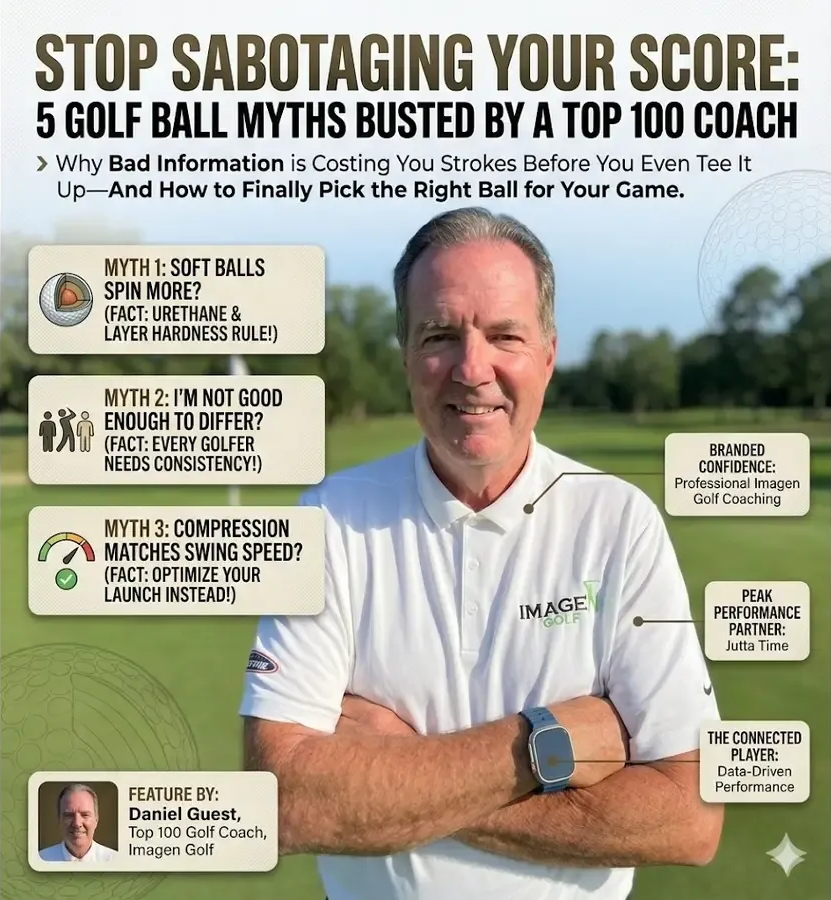
Stop letting bad equipment advice ruin your rounds. Discover the truth about spin, compression, and the fastest way to dial in your distance Hey everyone, Daniel Guest here from Imagen Golf. If you've spent any time on the lesson tee with me, you know I’m passionate about controlling the variables you can control. Golf is hard enough. But out in the equipment world, there is an absolute avalanche of bad information—especially when it comes to the one piece of equipment you use on literally every single shot: the golf ball. When you play based on bad info, you make bad decisions. And bad decisions cost you strokes before you even tee it up. Today, we are putting the five biggest golf ball myths to bed so you can start playing with confidence, consistency, and a strategy that actually lowers your scores. Let’s get into it.

How to Get 40 Extra Yards of Carry Distance Without Swinging a Single MPH Faster.

Daniel Guest grew up surrounded by golf. His great, great grandfather played professionally in Scotland, and his great-uncle, Thomas Fischer, became the first golf professional at the DuPont Country Club in Wilmington, Delaware.
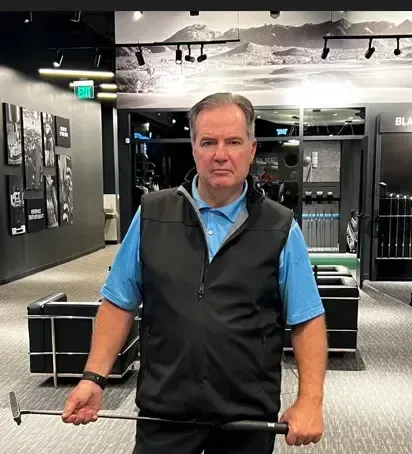
As the founder of Imagen Golf, Daniel Guest has redefined how players learn, practice, and experience the game.

Top 100 Coach Daniel Guest combines Trackman iO, app-based lesson storage, and remote weekly check-ins to provide 24/7 coaching support.
If you tried to book a Saturday morning tee time recently and found yourself staring at a screen that looked more like a sold-out Taylor Swift concert than a municipal golf course, you aren’t alone. According to a year-end message from the National Golf Foundation (NGF), more people are playing golf in more ways than at any time in recorded history. For the crusty veteran who misses the days of the four-hour round and empty fairways, this might sound like a nightmare. But for anyone who loves the vitality, future, and "cool factor" of our sport, we are officially living in the Golden Age of Golf. Here is what the numbers actually mean for your game, your wallet, and that lukewarm hot dog at the turn.

The calendar page is about to flip, and with it, the conversation that's been bubbling beneath the surface of the golf world is set to boil over: Tiger Woods turns 50 on December 30th. That golden birthday means a gold-plated invite to the PGA Tour Champions. As President of Imagen Golf, I've spent years analyzing swings, but with Tiger, we're not just looking at a swing—we're analyzing the DNA of a champion's competitive spirit, and that is where the real story lies.

Hello, I'm Daniel Guest from Imagen Golf, and today we're tackling a topic that chills many golfers: playing in the cold. It’s not just you; the cold weather fundamentally changes how your equipment—specifically the golf ball—performs, and that directly impacts your shot.1 Understanding these effects is the first step toward better cold-weather scoring.
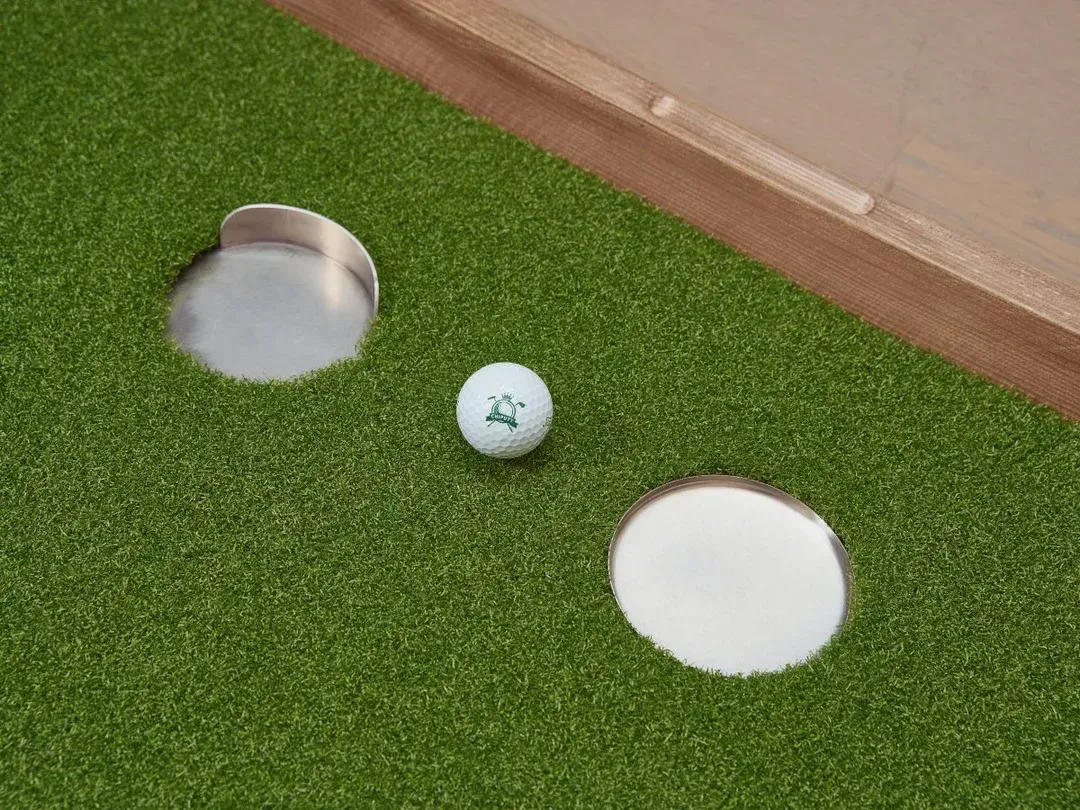
Expert short game lesson guidance for Newtown residents. Learn how to choose the right golf instructor and what to expect from quality short game instruction.

Expert outdoor golf lesson guidance for Lansdale residents. Learn how to choose the right golf instructor and what to expect from quality outdoor instruction.