
Get a Better Golf Swing-Turn Better
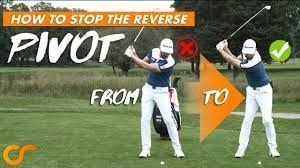
The reverse pivot occurs in the backswing when the golfer's back leg straightens, and the body weight is shifted to the front leg and the upper body tilts toward the target. This motion inhibits amount of torque a golfer can create on the backswing because they cannot rotate their body forcing them to make compensations in their swings on the downswing.
Make a better turn. Think of turning your shoulders and hips level as you swing to the top. This will tilt your spine away from the target and not towards the target.
This reverse pivot or reverse weight shift as it is sometimes called is due to compensation caused by weakness of the back leg's hip, and thigh muscles, specifically the gluteus maximus muscles (buttocks) and the quadriceps. If these muscles are weak, the golfer will not be able to physically handle shifting their weight correctly onto their back leg on the backswing. The golfer will tend to straighten the back leg by locking the knee, which helps support the body weight, and then the golfer will tend to shift the weight to the front leg to maintain balance. A reverse pivot forces the golfer to start the downswing with the upper body, denying them of enough leverage to maximize clubhead speed. A reverse pivot will also put a tremendous amount of pressure on the lower spine, which can cause pain or injury.
Most golf professionals will tell you that common swing faults such as poor posture and lack of rotation or a reverse pivot are from physical limitations and until you address those limitations you may never improve. Are your physical limitations holding you back from playing your best golf?
Understand and identify your swing faults (if you have any) and the physical limitations that may cause them. Swing faults, which are technical flaws in your golf swing, can be caused from physical limitations and or from improper swing mechanics such as lack strength and inflexibility in critical areas of the body.
Your flexibility, strength, coordination, balance and stability, which is your body's ability to maintain certain positions for a length of time, in your golf specific muscles are imperative to making a good golf swing and playing your best. If you have any physical limitations or weaknesses, they will affect the way you swing a golf club. For example, if you have tight hamstring muscles, it will be difficult for you to maintain the correct amount of spine angle during the swing. You may "come out of the shot" or "stand up" through impact, which can cause topped or weak shots. If you lack strength or flexibility in your hips or buttocks, you may not be able to shift your weight properly and as a result lose power and consistency.
Identifying your swing faults and physical limitations are absolutely necessary to building a fundamentally sound golf swing. Identifying and correcting your swing faults and physical limitations should be a focal point in your golf specific fitness program. Playing golf with physical limitations or common swing flaws can cause serious injury to the most vulnerable parts of your body such as the low back, neck, elbows and wrists. Identifying and correcting swing flaws will not only improve your golf game, but also help you prevent the most common golf injuries.
Daniel is the Head of Golf Instruction at IMAGEN Golf the area's leading golf instruction and advisory firm and Best Selling Author of "Unleash The Golfer Within".
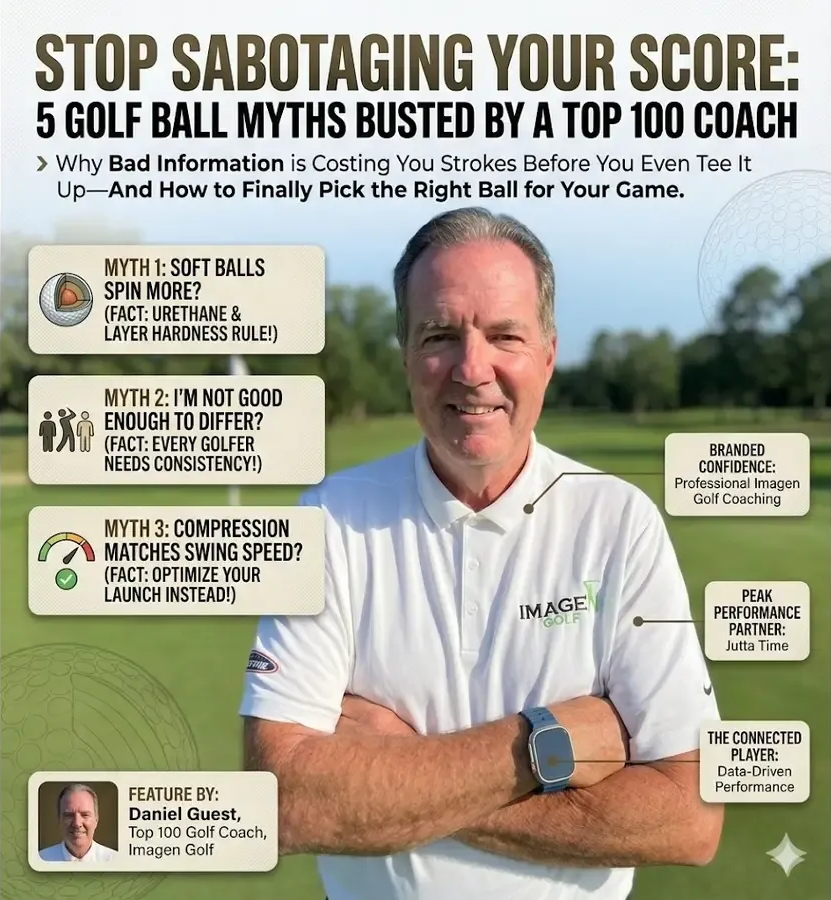
Stop letting bad equipment advice ruin your rounds. Discover the truth about spin, compression, and the fastest way to dial in your distance Hey everyone, Daniel Guest here from Imagen Golf. If you've spent any time on the lesson tee with me, you know I’m passionate about controlling the variables you can control. Golf is hard enough. But out in the equipment world, there is an absolute avalanche of bad information—especially when it comes to the one piece of equipment you use on literally every single shot: the golf ball. When you play based on bad info, you make bad decisions. And bad decisions cost you strokes before you even tee it up. Today, we are putting the five biggest golf ball myths to bed so you can start playing with confidence, consistency, and a strategy that actually lowers your scores. Let’s get into it.
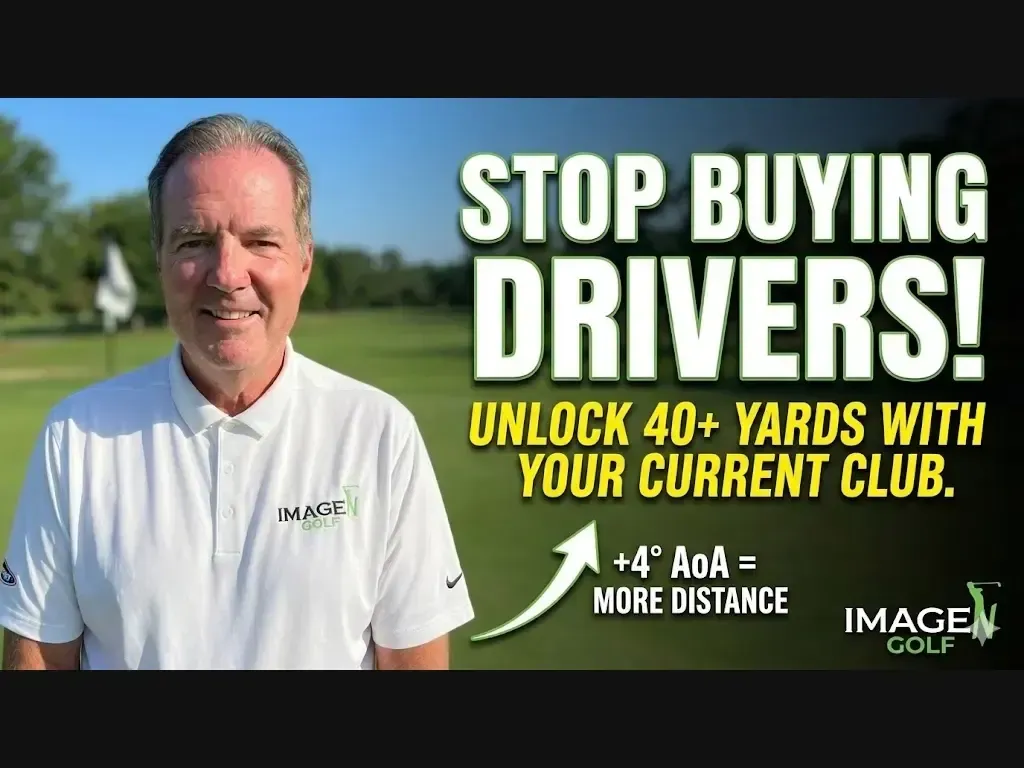
How to Get 40 Extra Yards of Carry Distance Without Swinging a Single MPH Faster.

Daniel Guest grew up surrounded by golf. His great, great grandfather played professionally in Scotland, and his great-uncle, Thomas Fischer, became the first golf professional at the DuPont Country Club in Wilmington, Delaware.
As the founder of Imagen Golf, Daniel Guest has redefined how players learn, practice, and experience the game.

Top 100 Coach Daniel Guest combines Trackman iO, app-based lesson storage, and remote weekly check-ins to provide 24/7 coaching support.
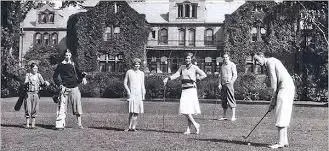
If you tried to book a Saturday morning tee time recently and found yourself staring at a screen that looked more like a sold-out Taylor Swift concert than a municipal golf course, you aren’t alone. According to a year-end message from the National Golf Foundation (NGF), more people are playing golf in more ways than at any time in recorded history. For the crusty veteran who misses the days of the four-hour round and empty fairways, this might sound like a nightmare. But for anyone who loves the vitality, future, and "cool factor" of our sport, we are officially living in the Golden Age of Golf. Here is what the numbers actually mean for your game, your wallet, and that lukewarm hot dog at the turn.

The calendar page is about to flip, and with it, the conversation that's been bubbling beneath the surface of the golf world is set to boil over: Tiger Woods turns 50 on December 30th. That golden birthday means a gold-plated invite to the PGA Tour Champions. As President of Imagen Golf, I've spent years analyzing swings, but with Tiger, we're not just looking at a swing—we're analyzing the DNA of a champion's competitive spirit, and that is where the real story lies.

Hello, I'm Daniel Guest from Imagen Golf, and today we're tackling a topic that chills many golfers: playing in the cold. It’s not just you; the cold weather fundamentally changes how your equipment—specifically the golf ball—performs, and that directly impacts your shot.1 Understanding these effects is the first step toward better cold-weather scoring.
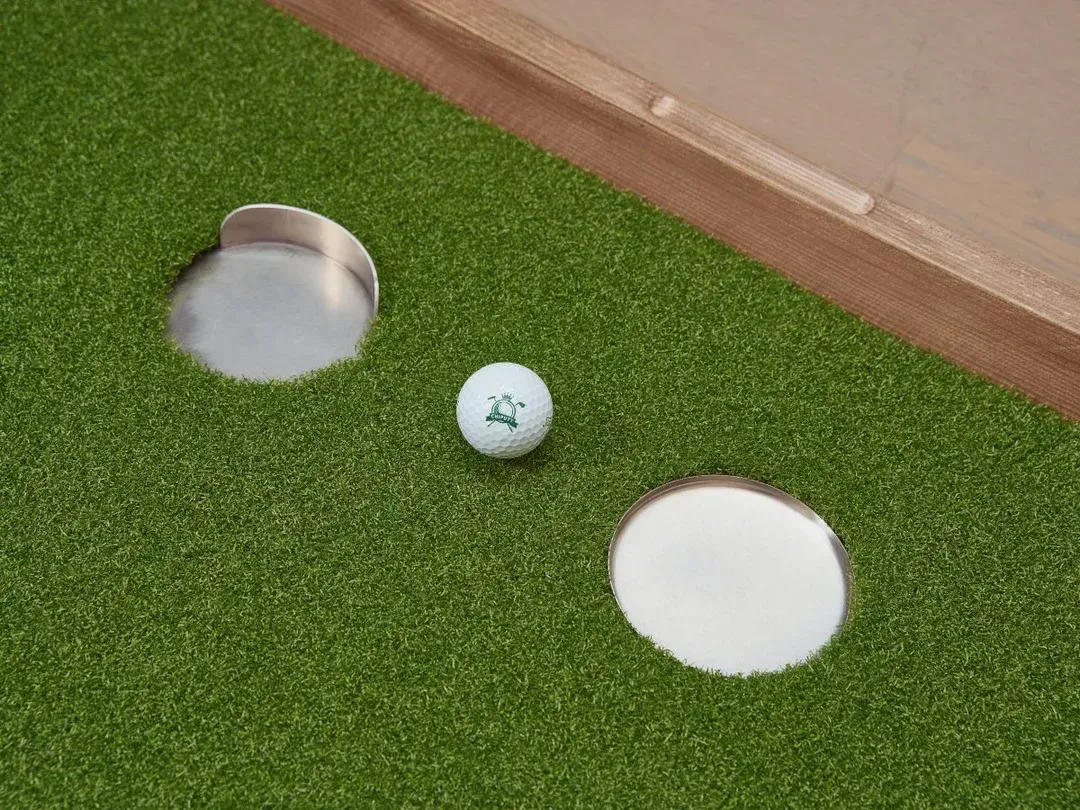
Expert short game lesson guidance for Newtown residents. Learn how to choose the right golf instructor and what to expect from quality short game instruction.

Expert outdoor golf lesson guidance for Lansdale residents. Learn how to choose the right golf instructor and what to expect from quality outdoor instruction.